Certificates
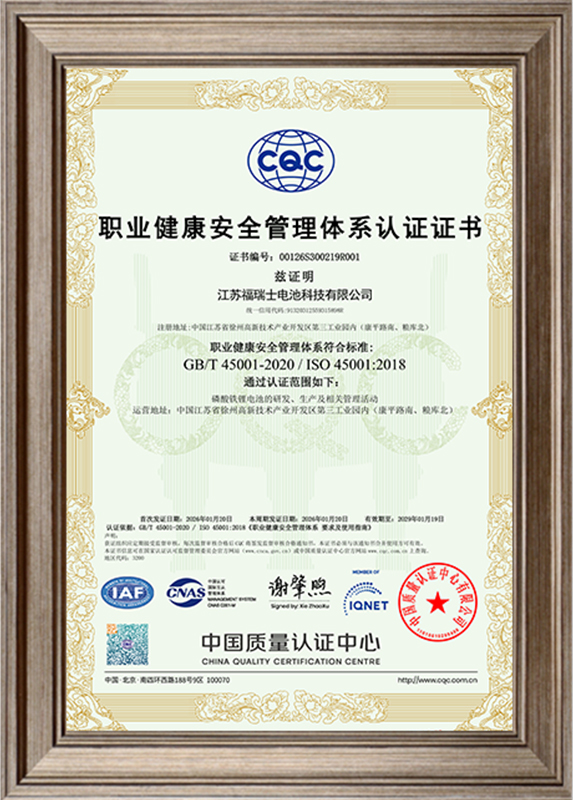
CQC
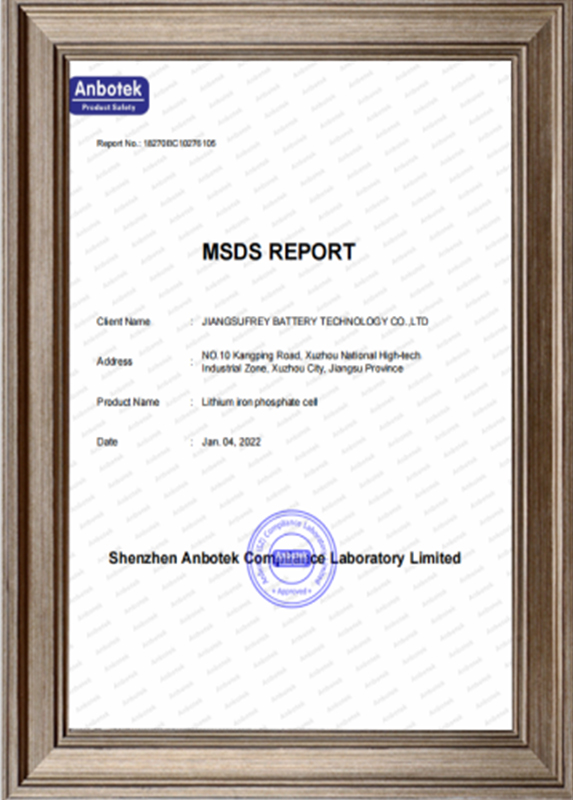
MSDS Authentication
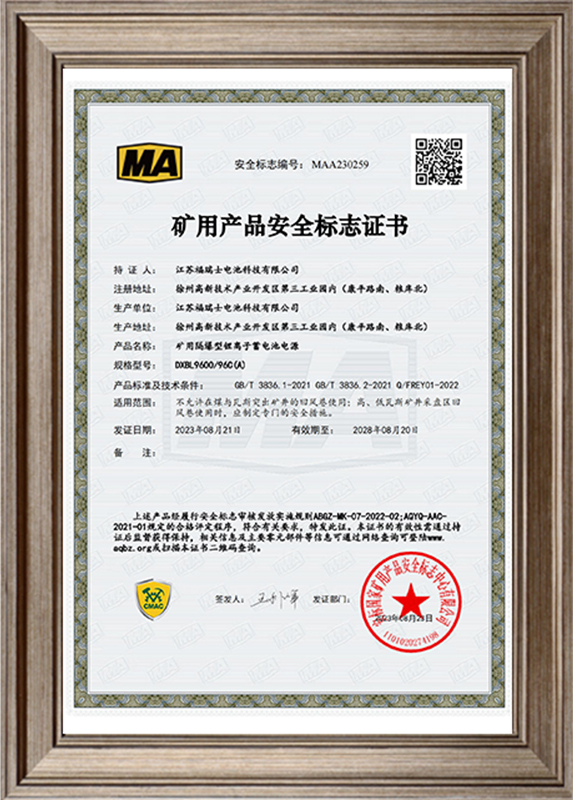
DXBL9600/96C(A)
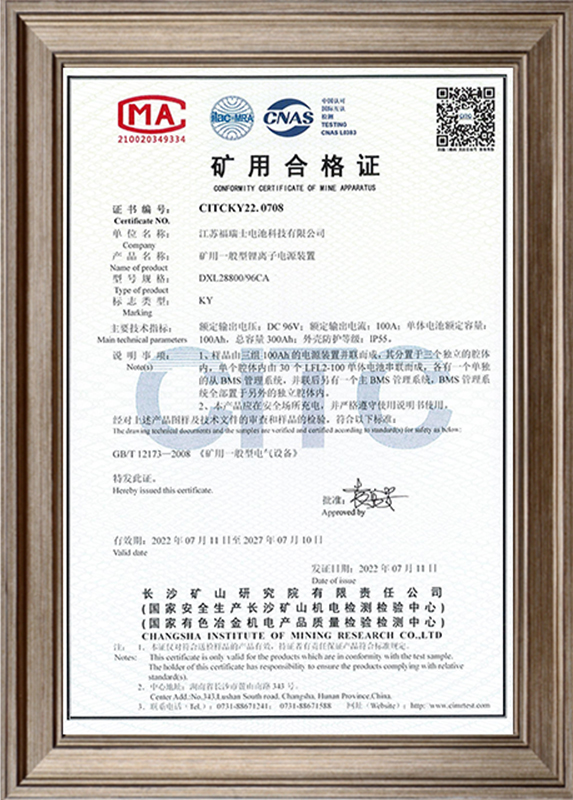
DXL28800/96CA
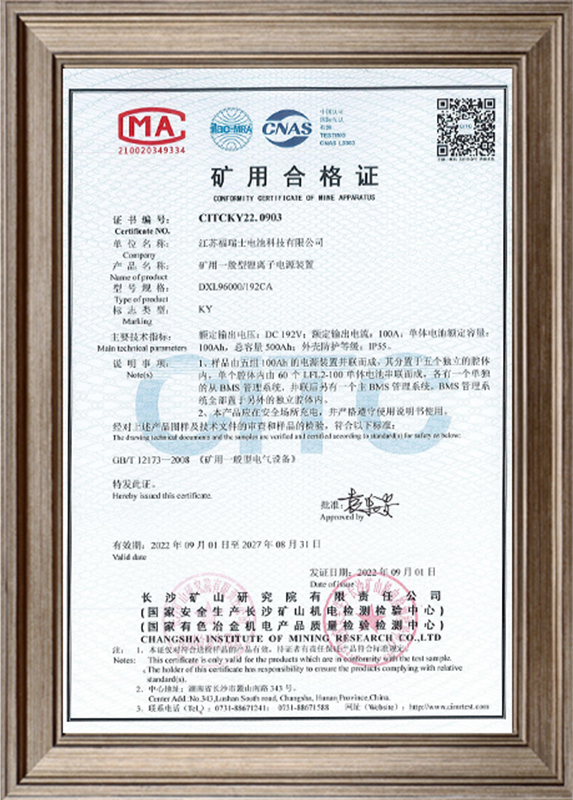
DXL96000/192CA
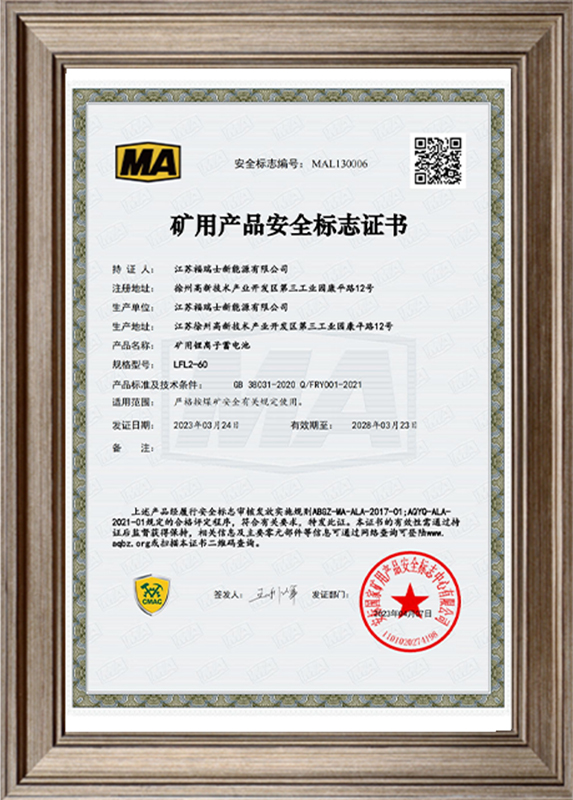
LFL3-60
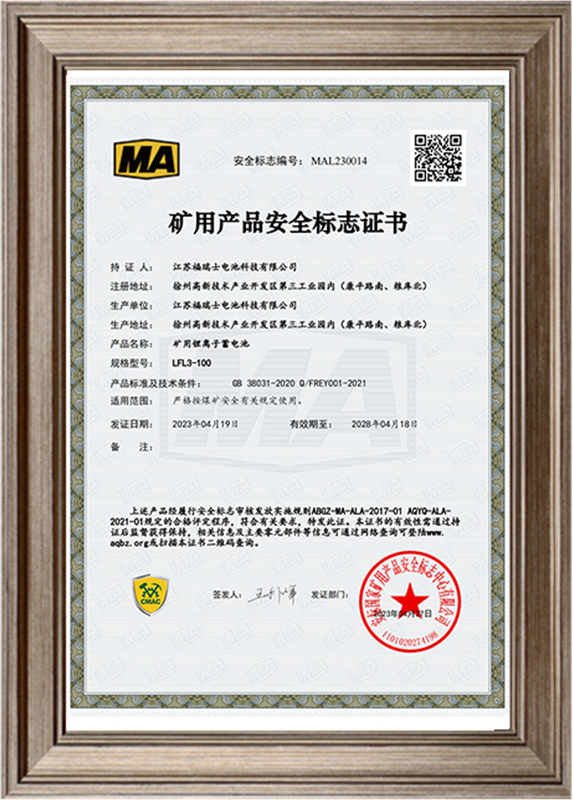
LFL4-100
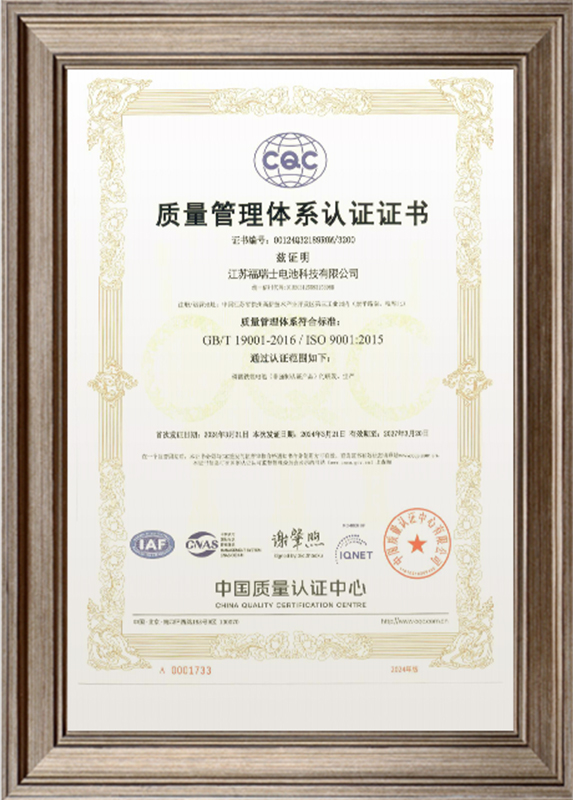
CQC
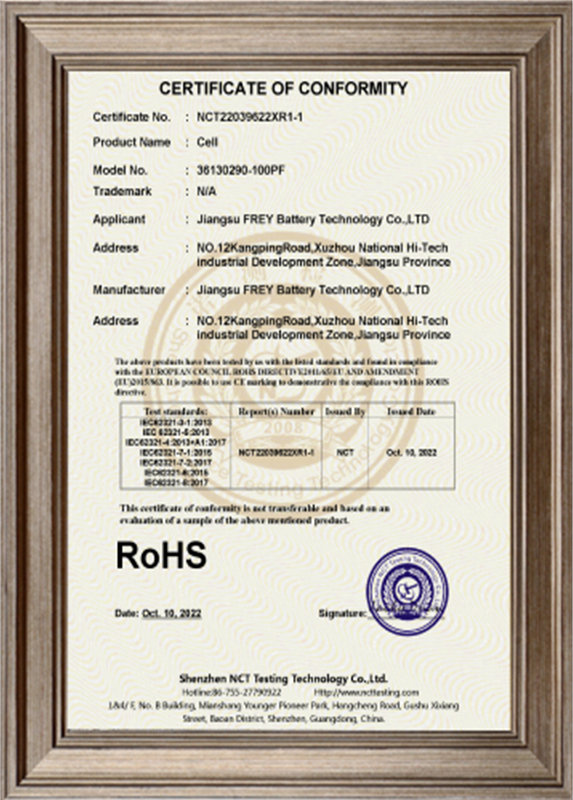
RoHS Authentication
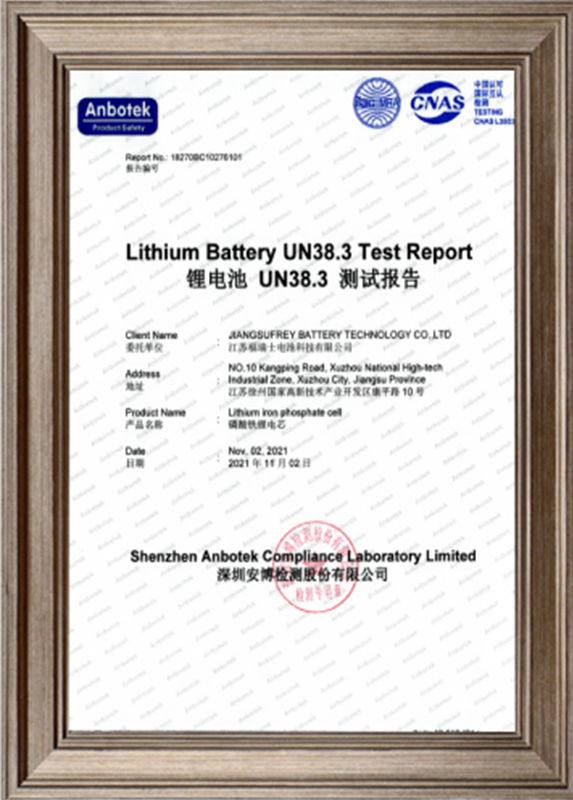
UN38.3 Authentication
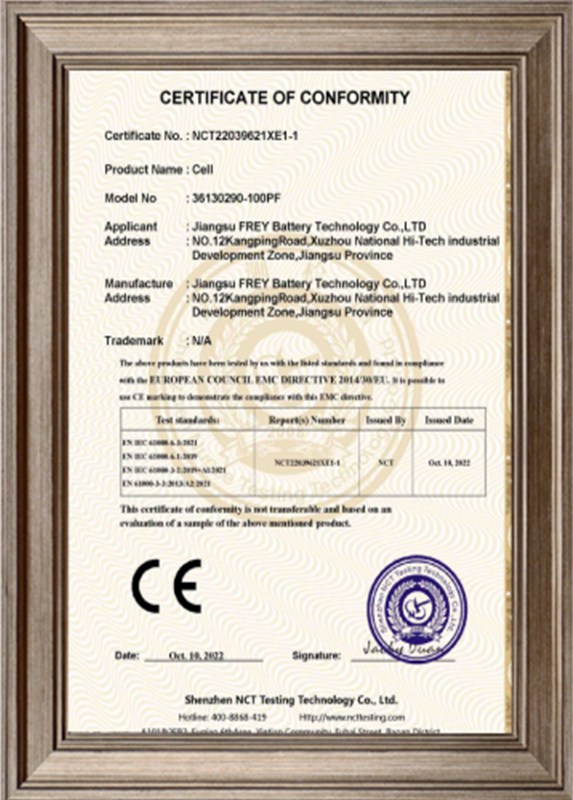
CE Authentication
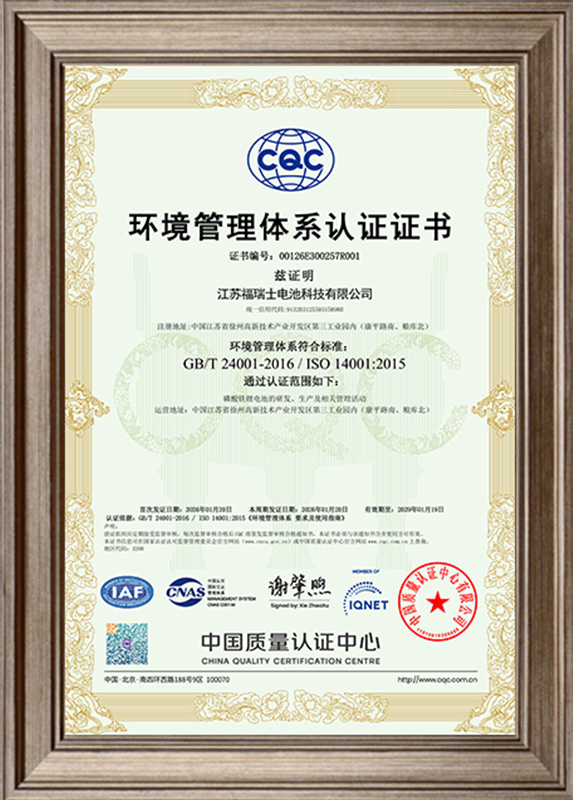
CQC
Related Cases
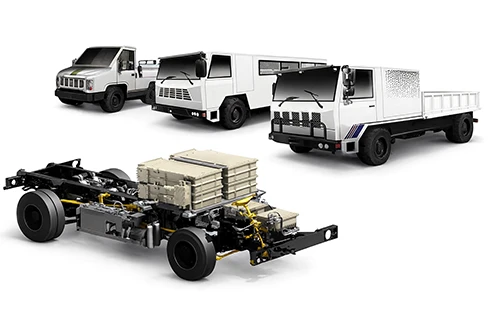
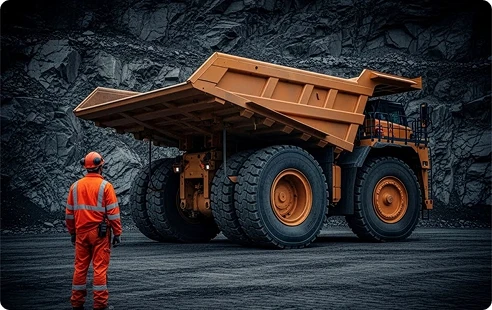
Case Study: Chassis for New Energy Special-Purpose Mine Vehicles
An integrated "Three-Electric" (battery, motor, and electronic control) platform chassis designed for complex mining conditions; it combines safety, efficiency, flexibility, and scalability to fully support the electrification upgrade of mining transport equipment.
Public Utility Sector Collaboration Case Studies
Zouping City, Shandong Province, is upgrading the power systems of its electric bus fleet and equipping them with high-performance Energy Management Systems (EMS).
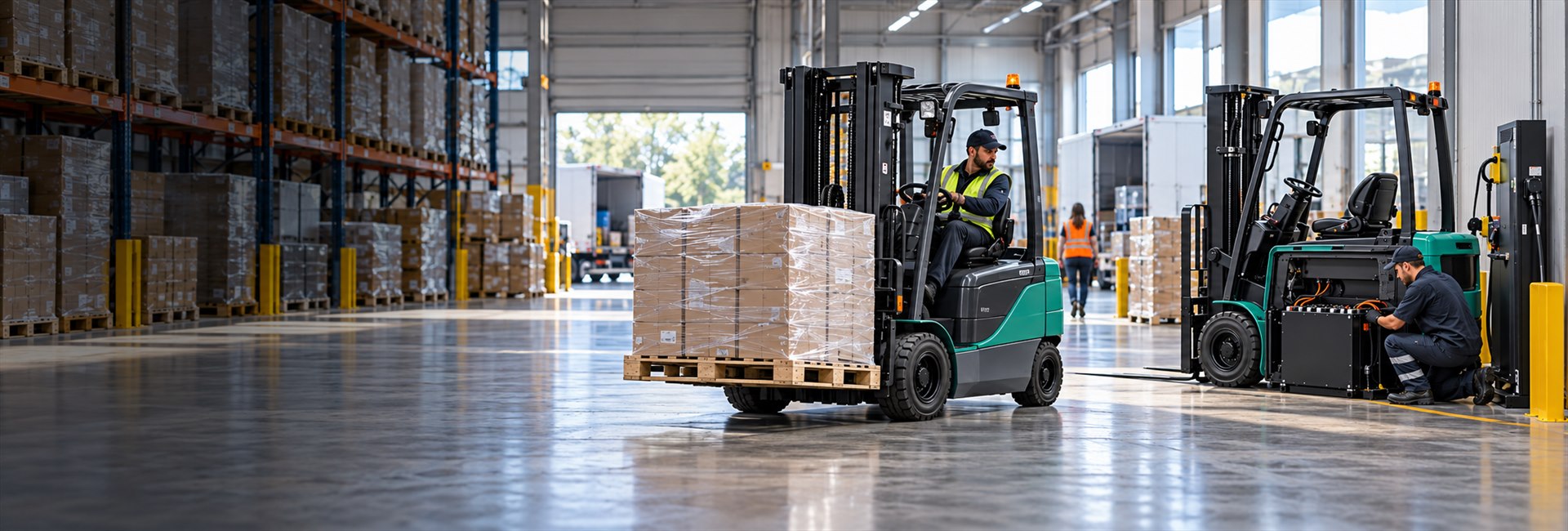
A Toyota forklift was equipped with a FREY 25.6V 220Ah lithium battery, significantly improving both fast-charging capability and operating range.
Coal Mine Safety Scenario Cooperation Cases
Furui Technology has reached a cooperation agreement with Shandong Gold Group's Gold Automobile Company, a Fortune Global 500 company, on the development...
Related FAQ
When should I charge a forklift battery?
Charge the battery when the low-state-of-charge warning appears or according to your operating schedule. Lithium forklift batteries can support opportunity charging during breaks. Avoid allowing the battery to remain at a very low state of charge for an extended period, and always follow the approved charging instructions.
Who is authorized to charge or replace an electric forklift battery?
How long does it take to charge a forklift battery?
Charging time depends on battery chemistry, capacity, remaining state of charge, charger power, temperature and the permitted charging rate. The battery supplier can recommend a suitable charger and estimate charging time based on the battery configuration and operating requirements.
How long do lithium forklift batteries last?
Depending on the model, application and operating conditions, a properly configured lithium forklift battery can offer more than 3,000 cycles and a service life of up to 10 years. Actual life is affected by depth of discharge, temperature, charging practices, load profile and maintenance.
Does a lithium forklift battery contain sulfuric acid?
No. Lithium forklift batteries use lithium battery technology and do not contain the sulfuric-acid electrolyte used in lead-acid batteries. For reference, conventional lead-acid batteries contain a diluted sulfuric-acid electrolyte and require appropriate handling and maintenance.
What should I check before charging a forklift battery?
Park the forklift safely, switch off the vehicle and follow the equipment isolation procedure. Inspect the battery, charger, cables, connectors and charging area for damage, contamination, moisture or loose connections. Confirm that the charger voltage, current, connector and communication settings match the battery. Connect and start the charger only as specified in the operating manual.
How much does a forklift battery weigh?
Battery weight varies significantly with voltage, capacity, enclosure design and counterweight requirements. Before installation, verify the forklift nameplate, battery-compartment dimensions and the minimum and maximum permitted battery weight. The battery configuration can be customized for the battery weight and counterweight configuration for the specified forklift model.
Does a properly configured lithium forklift battery require water filling?
No. Lithium forklift batteries do not require water filling or electrolyte maintenance. Watering applies only to serviceable lead-acid batteries and must be performed according to the lead-acid battery manufacturer's instructions.
What IP rating is available for forklift batteries?
Standard forklift battery configurations can achieve an IP65 rating. The final rating depends on the product model, connectors and customized design, so please confirm it in the applicable product specification.
How can I check the battery's remaining capacity after extended use?
The state of charge can be viewed on the forklift battery display or a compatible monitoring platform. To determine actual usable capacity or state of health, request a capacity test and diagnostic report from qualified service personnel.
Are forklift battery chargers compatible with multiple voltage platforms?
Chargers are available for common forklift voltage platforms, including 24V, 36V, 48V and 80V. A charger must be selected and configured for the battery's voltage, charging current, connector and communication protocol; one charger is not automatically compatible with every voltage.
Are lithium batteries compatible with Heli and other forklift brands?
Lithium battery solutions can be developed for Heli and many other forklift brands. Compatibility must be confirmed for the specific make and model, including voltage, compartment dimensions, connector, battery weight, communication protocol and charger requirements.
Can a forklift battery be ordered without counterweight blocks?
Yes, subject to forklift requirements. The battery configuration can be customized for a lithium forklift battery with or without additional counterweight blocks. The finished battery must remain within the forklift manufacturer's specified battery-weight range to maintain stability and rated load performance.
Can a forklift battery charger charge lithium batteries from another manufacturer?
Only after technical compatibility has been confirmed. The battery voltage range, maximum charging current, connector polarity, charging profile and BMS communication must all match. Do not connect a charger to another battery unless the charger supplier or battery manufacturer has approved the configuration.
What maintenance does a lithium forklift battery require?
Lithium batteries do not require watering or acid-related maintenance. Routine care includes keeping the battery and connectors clean and dry, checking cables and fasteners, reviewing alarms and operating data, and following storage and charging instructions. Avoid intentionally performing full discharge cycles unless specifically required by an approved service procedure.
What are the benefits of switching a forklift from lead-acid to lithium?
Lithium forklift batteries provide stable power output, high charging efficiency and opportunity-charging capability. They eliminate watering, equalization charging and acid handling, helping reduce maintenance and downtime. The actual operational and cost benefits depend on the fleet's shift pattern, energy use, charging infrastructure and battery configuration.
Can a lithium battery be retrofitted to a different brand of forklift?
In many cases, yes, but the retrofit must be engineered and validated for the specific forklift. Voltage, capacity, dimensions, weight, connector, charger, CAN communication, mounting and safety interlocks must be checked. Some vehicles may require interface adaptation or parameter configuration.
Are lithium batteries available for heavy-duty warehouse and port forklifts?
Yes. Lithium batteries can be configured for heavy-duty applications in warehouses, ports, cold storage and manufacturing. Selection should consider voltage, usable energy, peak and continuous current, forklift model, battery weight, working temperature, shift schedule, charger power and the BMS's ability to support high-duty-cycle operation.
How do lithium forklift batteries compare with lead-acid batteries in service life and total cost of ownership?
A properly selected lithium forklift battery can provide longer cycle life, faster charging and lower routine maintenance than a lead-acid battery. Reduced watering, battery swapping, charging-room requirements and downtime may lower total cost of ownership. A reliable comparison should include purchase price, electricity use, labor, maintenance, replacement frequency and equipment availability.
How many cycles can a modern electric forklift battery deliver?
Many lithium forklift batteries are designed for more than 3,000 cycles, while the rated value depends on the cell chemistry and product configuration. Actual cycle life is influenced by depth of discharge, charge and discharge rates, operating temperature, charging practices and load profile. Refer to the model-specific data sheet and warranty conditions.
What fleet-management benefits can lithium forklift batteries provide?
Lithium batteries can provide consistent power across shifts, support opportunity charging and reduce routine maintenance. With an intelligent BMS and compatible monitoring platform, fleet managers can review state of charge, temperature, alarms, cycle records and battery health. These capabilities support maintenance planning, asset management and improved equipment availability.
How are forklift batteries different from general industrial battery packs?
Forklift batteries are engineered for frequent starts and stops, high-current output, heavy lifting, vibration and multi-shift use. They must also meet vehicle-specific requirements for dimensions, connectors, communications, thermal protection, mounting and counterweight. Lithium forklift batteries add intelligent management, fast-charging capability and low routine maintenance.
How do I select the correct battery for my forklift model?
Confirm the forklift make and model, system voltage, battery-compartment dimensions, connector type, communication protocol, permitted battery-weight range and required operating time. Capacity should be calculated from the load, shift duration, duty cycle, working temperature and available charging windows. The battery, BMS and charger should be configured as a matched system.
What factors affect electric forklift battery performance in daily operation?
Key factors include load weight, travel distance, lifting frequency, ambient temperature, shift length, charging habits, tire condition and vehicle efficiency. Extreme temperatures or operation outside the approved limits can reduce available energy or trigger BMS protection. Correct selection and operating practices are essential for consistent performance.
Can electric forklift batteries be used in cold-storage and freezer environments?
Yes, when the battery is specifically configured for low-temperature operation. Options may include cell heating, thermal insulation, corrosion-resistant enclosures and temperature-based BMS control. The required operating and charging temperatures must be confirmed before selection because charging may be limited until the battery reaches a safe temperature.
Which industries commonly use industrial forklift batteries?
Industrial forklift batteries are widely used in logistics and warehousing, manufacturing, ports and terminals, food and beverage operations, cold storage, pharmaceuticals, automotive production and other material-handling applications. The appropriate configuration depends on load, environment, shift intensity and charging conditions.
How does fast charging affect electric forklift battery life?
Lithium forklift batteries can support fast or opportunity charging when the charging current, temperature and BMS strategy remain within approved limits. Excessive current, unsuitable temperatures or an incompatible charger can accelerate degradation or trigger protection. Use the matched charger and follow the recommended charging profile to balance uptime and battery life.
Can one lithium battery support multi-shift forklift operation?
In many applications, yes. A correctly sized lithium battery can use scheduled opportunity charging during breaks or shift changes, reducing or eliminating battery swapping. Feasibility depends on energy consumption, battery capacity, charger power, available charging time and operating temperature, so the duty cycle should be evaluated before configuration.
How are forklift batteries designed for fleet-level management?
Fleet-ready battery systems can integrate an intelligent BMS, CAN communication, data logging, remote diagnostics and cloud-based monitoring. Depending on the selected platform, managers can track state of charge, temperature, alarms, cycle count, operating hours and battery health across multiple forklifts. System functions and data interfaces should be confirmed during project planning.