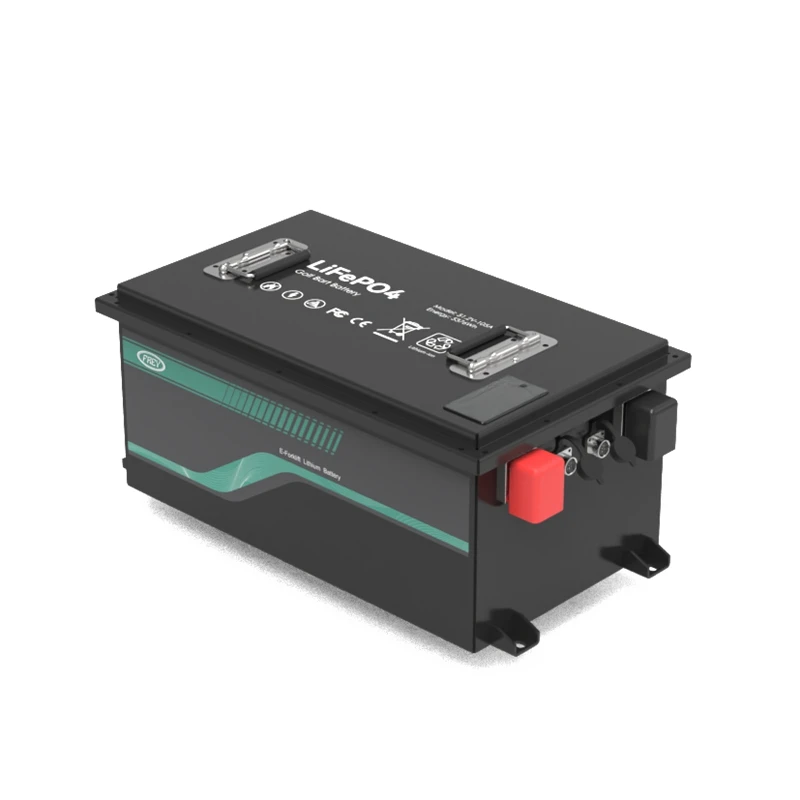
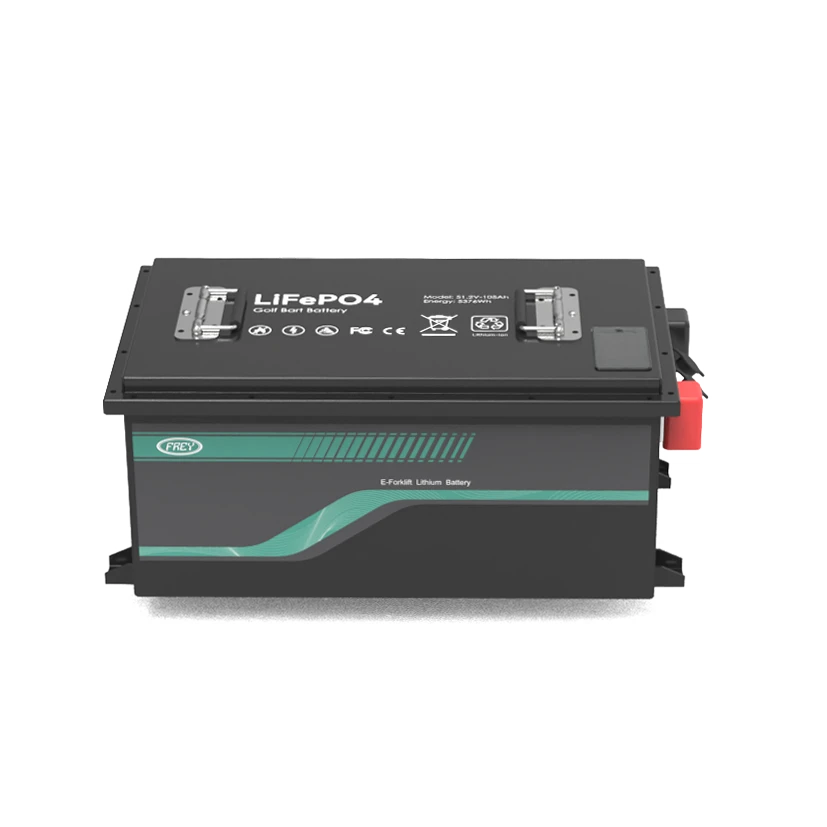
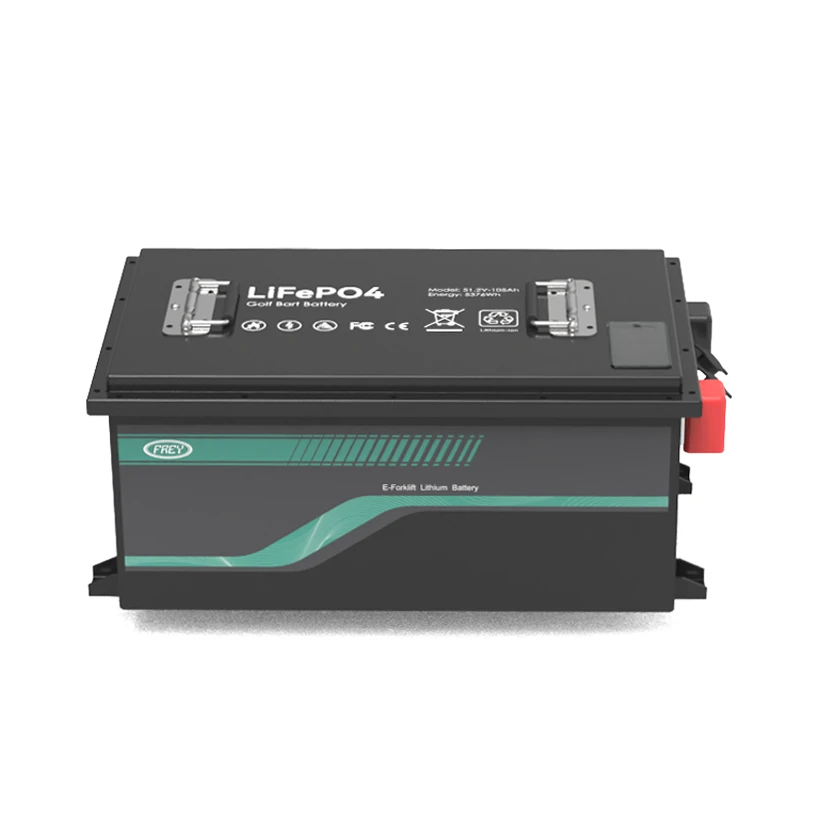
51.2V150
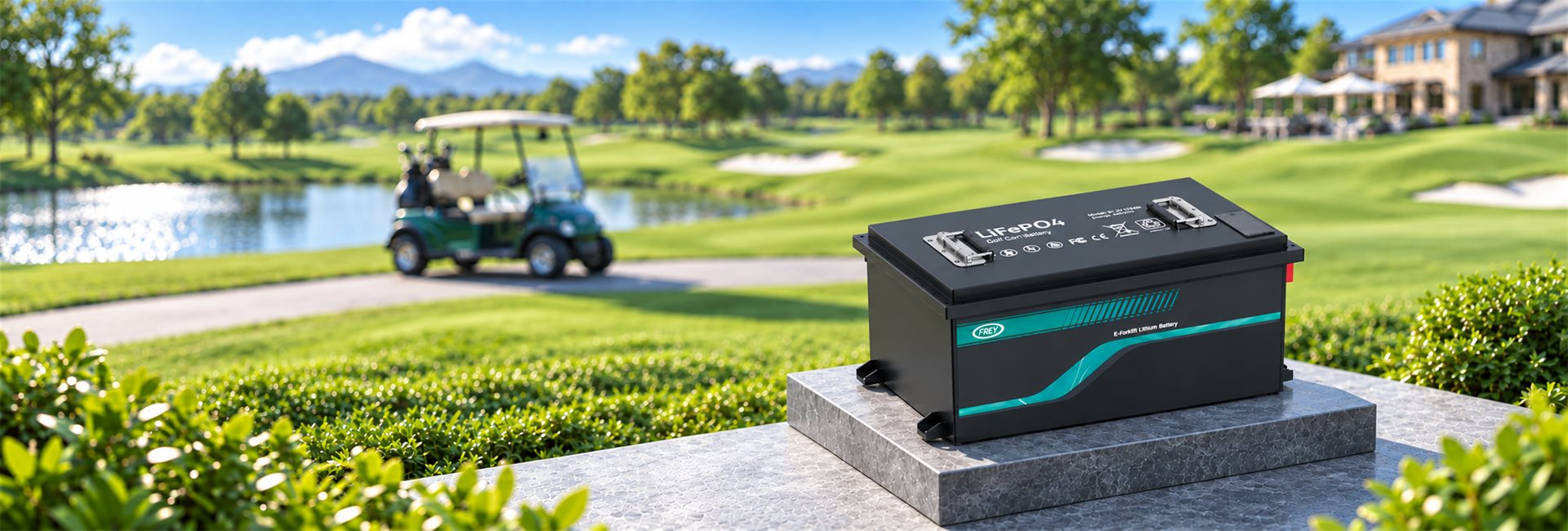
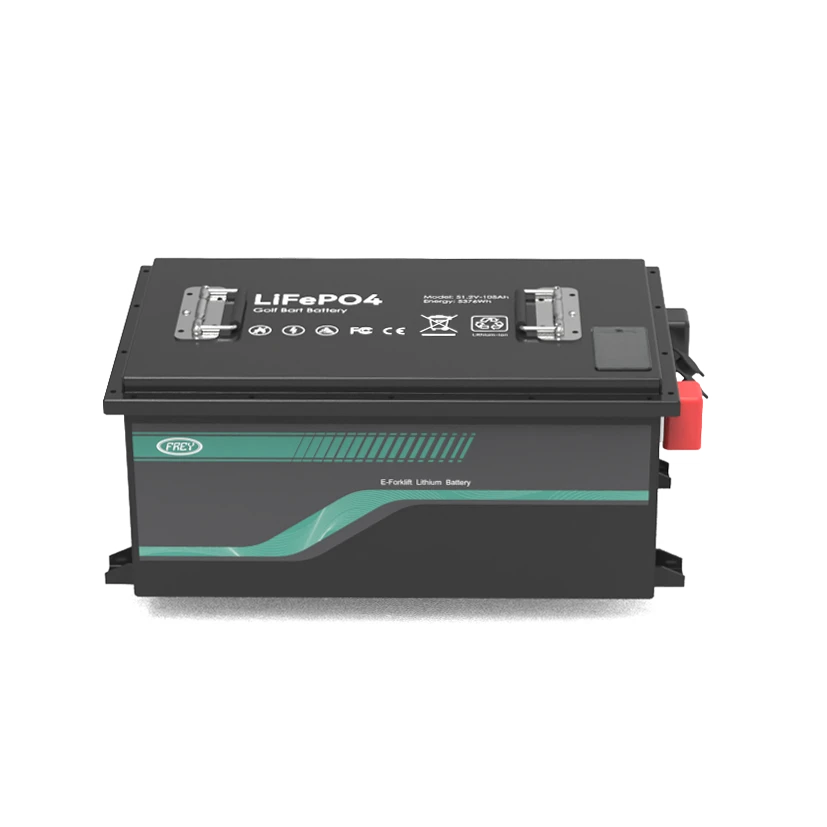
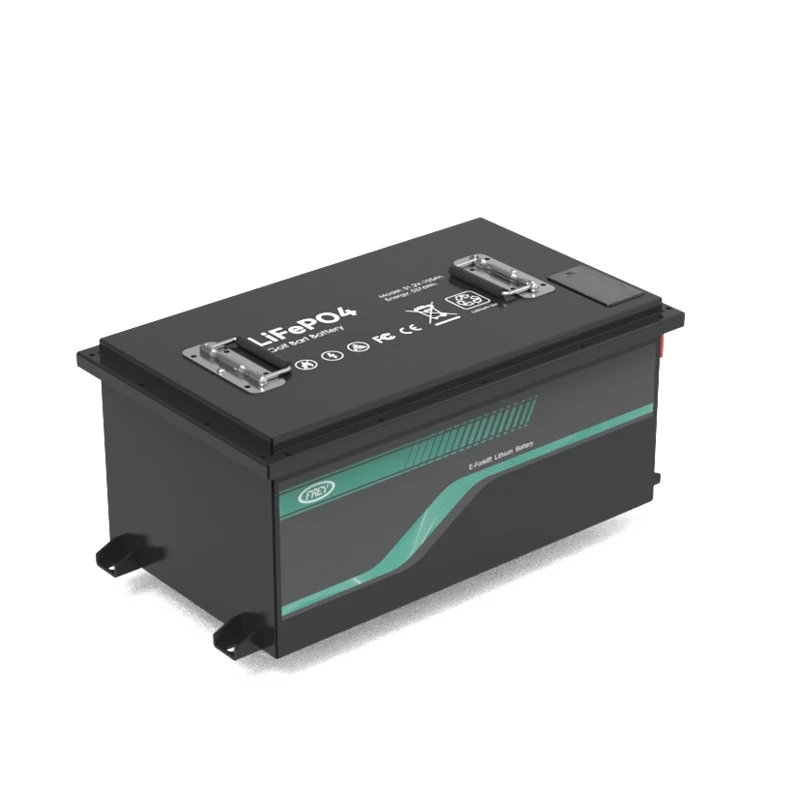
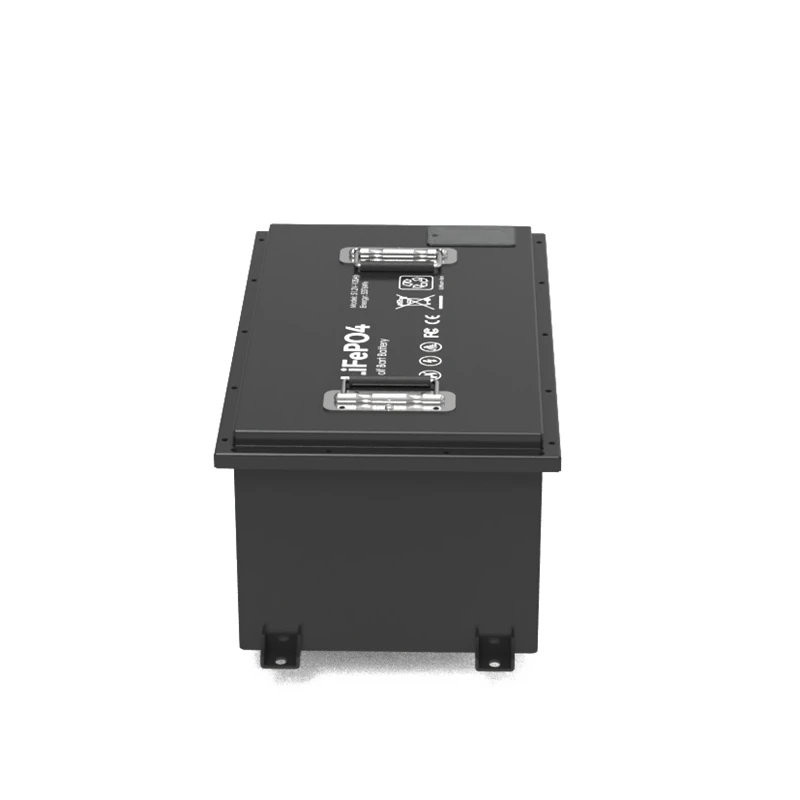
EvFrey golf cart lithium batteries are designed to deliver a more powerful, long-lasting, and hassle-free energy experience. We offer a wide range of battery systems and professional customization services, compatible with leading golf cart brands. Whether selecting by voltage, model, or brand, EvFrey provides a precisely matched power solution to make every ride more efficient and reliable.
Product Parameters
| Parameter | 51.2V-150Ah |
| Nominal Voltage (V) | 51.2 |
| Nominal Capacity (Ah) | 150 |
| Power (kWh) | 7680 |
| Dimensions (mm) | 657×415×237 |
| Battery Weight (kg) | 60 |
| Operating Voltage (V) | 40~58 |
| Charging Voltage (V) | 58.4 |
| Recommended Charging Current (A) | <50 |
| Rated Operating Current (A) | <75 |
| Maximum Operating Current (A) | 150 |
| Charging Temperature (°C) | 0~55 |
| Discharge Temperature (°C) | -20~55 |
| Storage Temperature (°C) | 0~45 |
| Chemical Material | Lithium iron phosphate |
| Warranty | 3 years or 6,000 operating hours |
| Peak discharge current | 170 A (300 s); 300 A (10 s) |

Grade A Battery Cells
Grade A battery cells provide good consistency and stability, delivering continuous and reliable power for golf carts.

≥3,500 Cycle Life
Under specified charging and discharging conditions, the battery can achieve over 3,500 cycles, helping reduce replacement frequency and support long-term use.
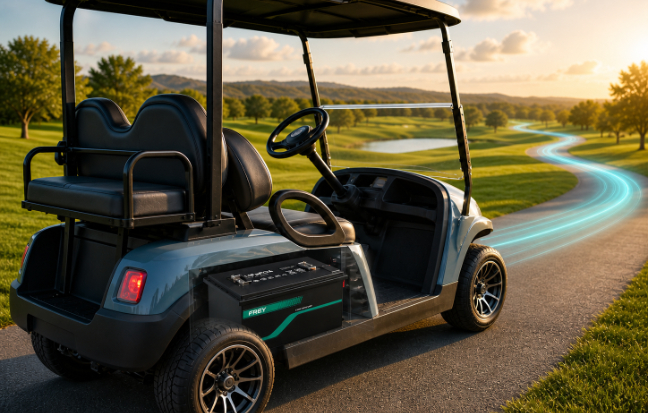
High-Capacity Design
The high-capacity battery provides ample energy reserves for daily driving, continuous operation, and extended golf cart range.

Built-in BMS Protection
The built-in Battery Management System (BMS) provides overcharge and over-discharge protection while monitoring battery operation in real time for stable and reliable performance.
Related FAQ
Is upgrading a golf cart to lithium worthwhile?
Lithium batteries generally offer faster charging, lower weight, longer cycle life and less routine maintenance. The value of an upgrade depends on usage frequency, expected ownership period, charging conditions, initial cost and total lifecycle cost.
Can a standard golf cart use lithium batteries?
Most models can be converted after voltage, compartment dimensions, connectors, controller, gauge and charger compatibility are confirmed. Some are direct replacements, while others require a tray, wiring or parameter adaptation.
How much does a golf-cart lithium conversion cost?
Cost depends on voltage, capacity, range target, charger, installation hardware and labor, so a fixed price can be misleading. Provide the vehicle model, existing battery and operating requirements for a complete quotation.
What are the main disadvantages of lithium golf-cart batteries?
Initial cost is usually higher than for lead-acid batteries, and correct BMS protection, charger matching and low-temperature charging control are important. A qualified, properly configured system helps manage these risks.
How many years can a lithium golf-cart battery last?
Actual life depends on cells, cycle count, depth of discharge, temperature and charging practices. Some quality products are designed for an 8-to-10-year service period under suitable conditions, subject to the model and warranty terms.
Will a golf cart go faster with a lithium battery?
Lower weight and steadier voltage may improve acceleration, hill climbing and loaded performance, but top speed is mainly determined by the motor, controller, drivetrain and vehicle settings. Rated vehicle limits should not be exceeded.
Is LiFePO4 suitable for golf carts?
LiFePO4 offers a useful balance of cycle life, thermal stability and low maintenance, making it a common option. Final selection should still consider range, weight, cost, temperature and installation conditions.
What should buyers pay attention to when choosing a lithium battery?
Key considerations include cell quality, BMS protection, thermal management, charger compatibility, enclosure protection and service support. Avoid products with unknown origin, mismatched parameters or inadequate protection.
Can a lithium golf-cart battery remain plugged in continuously?
Continuous connection should not be assumed safe for every system. A matched smart charger may stop automatically when charging is complete, but long-term storage should follow the manufacturer's state-of-charge and disconnection instructions.
How can correct charging extend battery life?
Use a matched charger, avoid prolonged very-low charge and charging outside the approved temperature range, and recharge according to the operating schedule. Deliberate full charge or full discharge on every cycle is unnecessary unless specified.
Related Products