Certificates
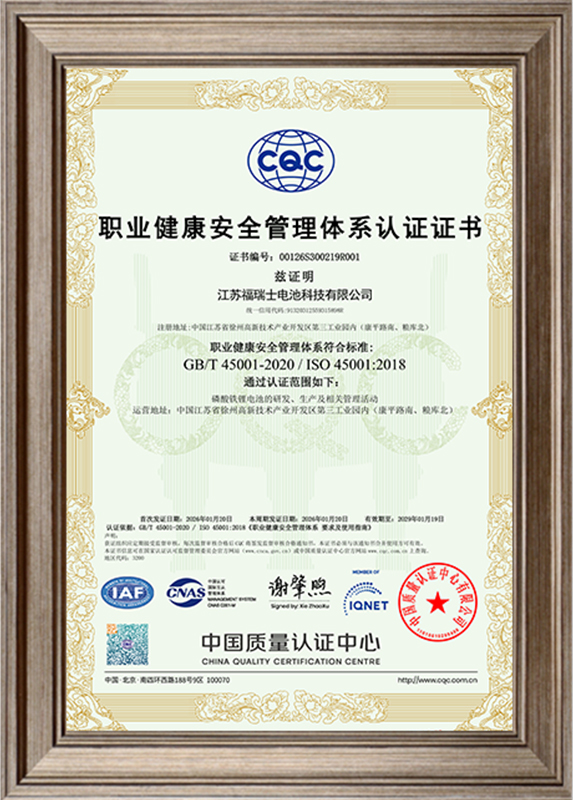
CQC
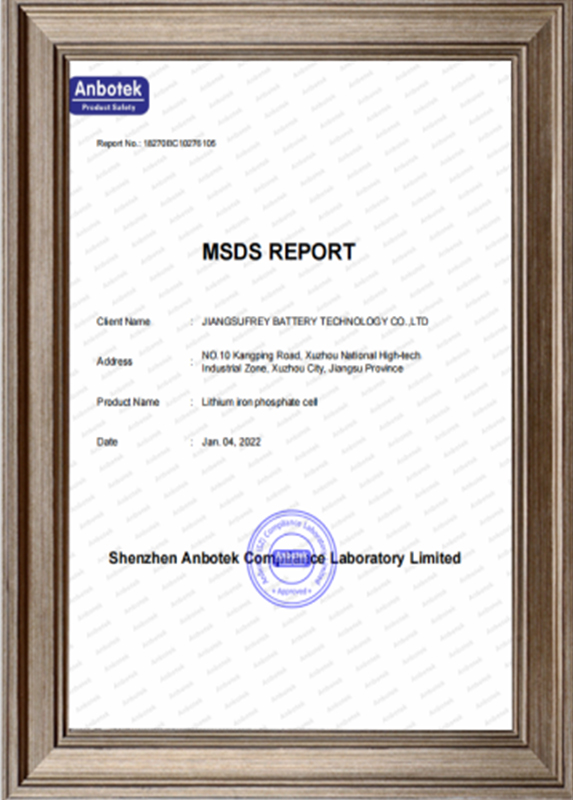
MSDS Authentication
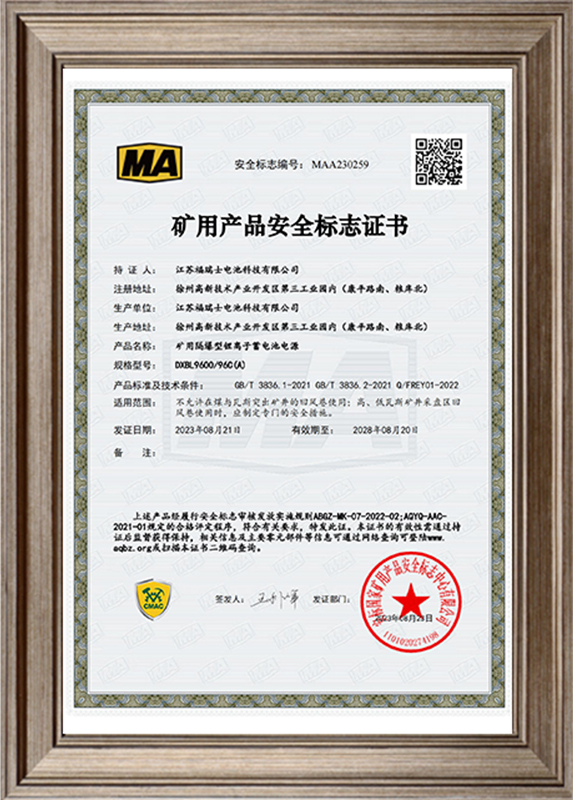
DXBL9600/96C(A)
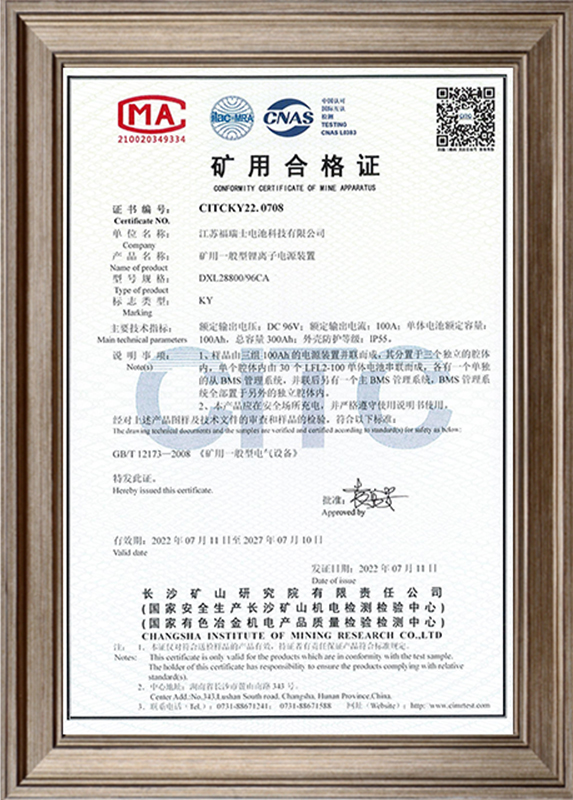
DXL28800/96CA
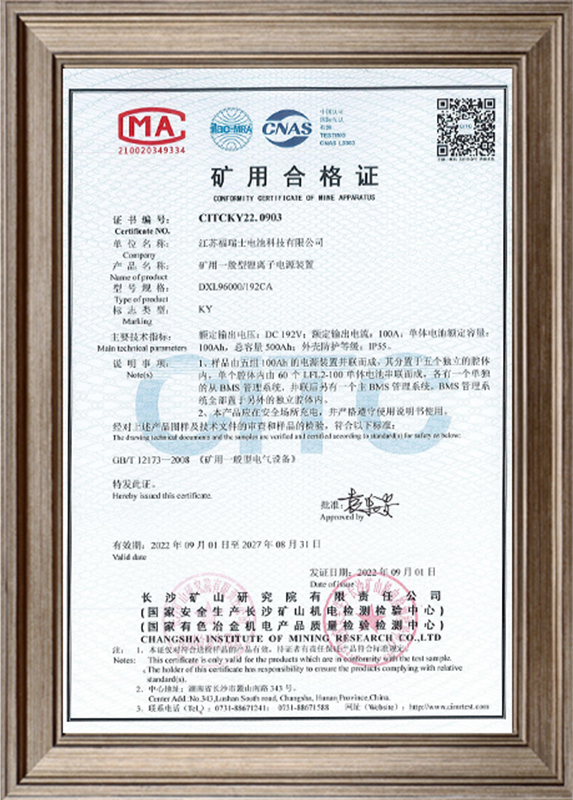
DXL96000/192CA
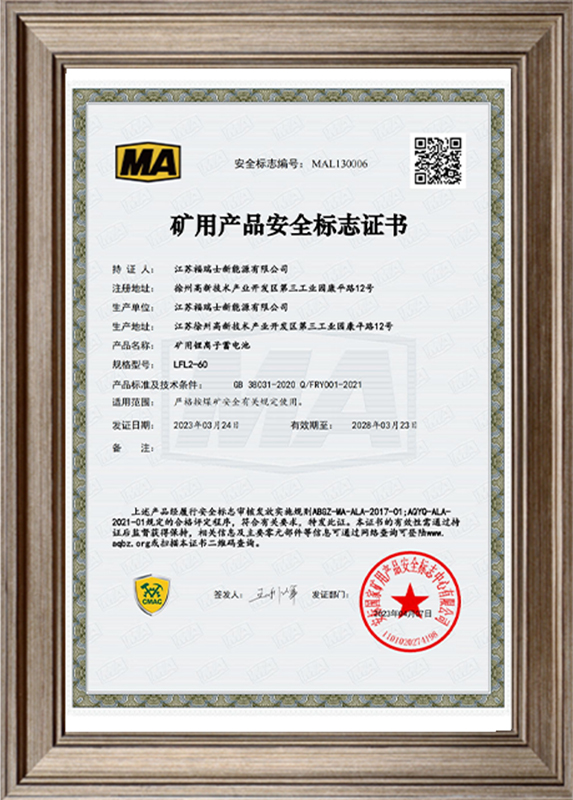
LFL3-60
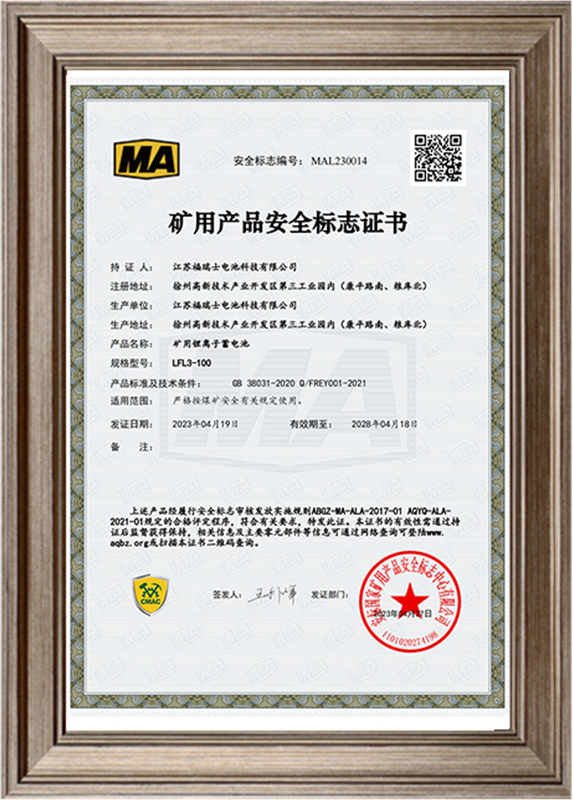
LFL4-100
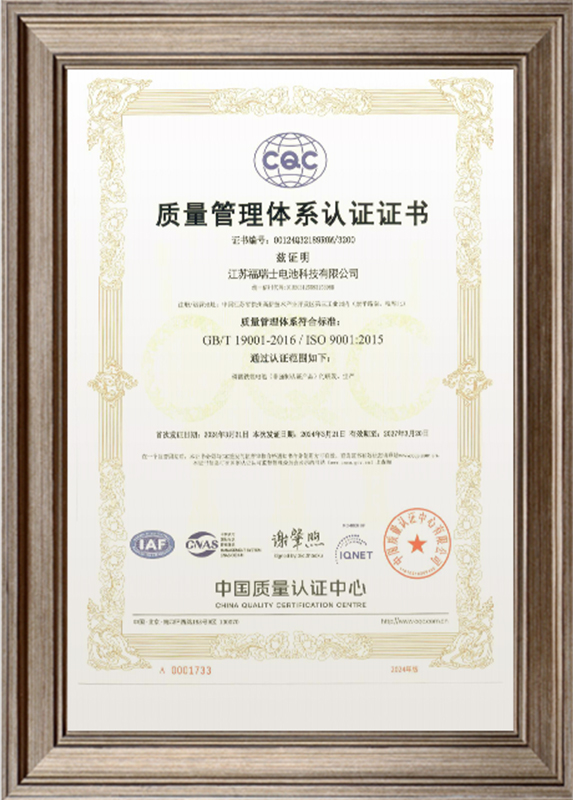
CQC
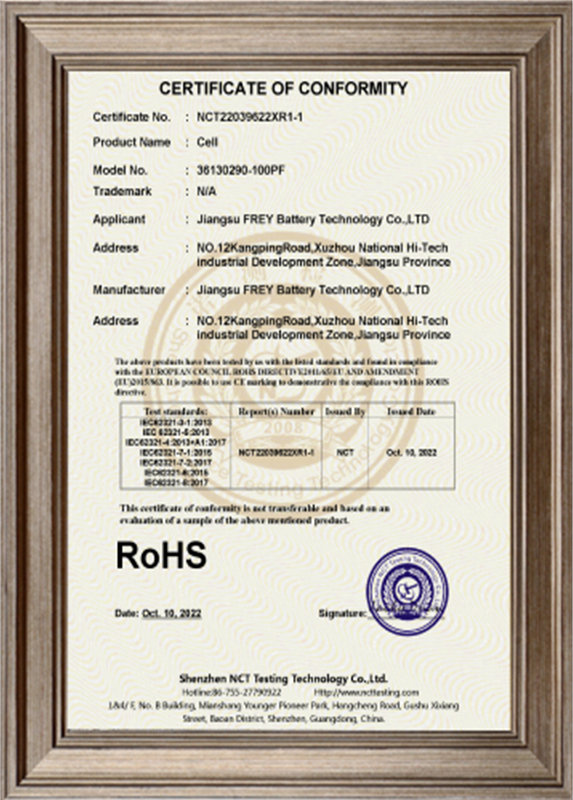
RoHS Authentication
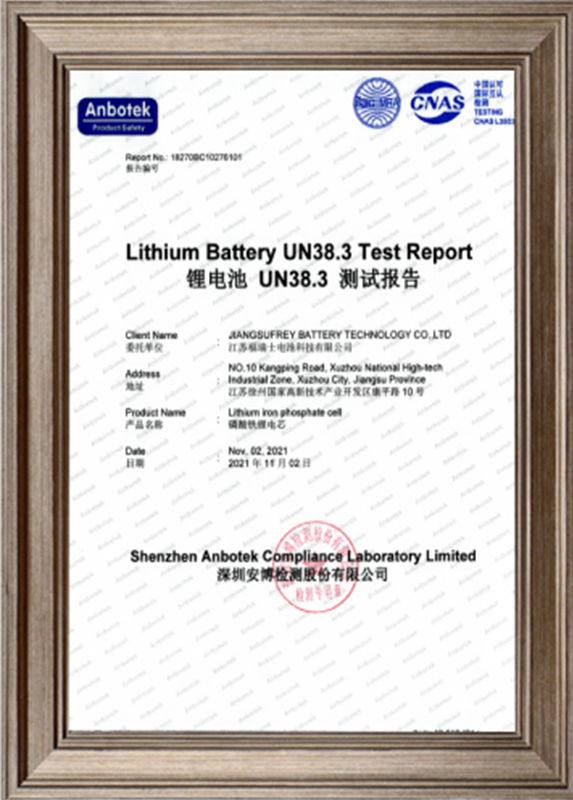
UN38.3 Authentication
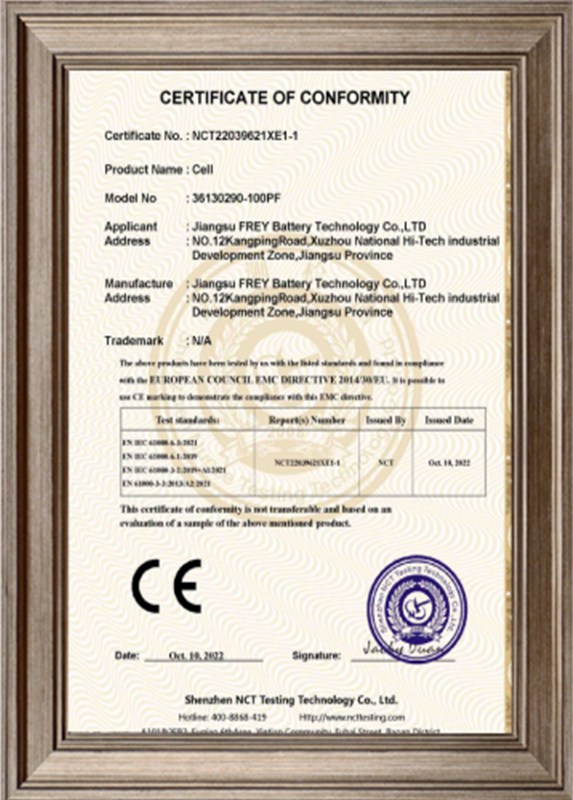
CE Authentication
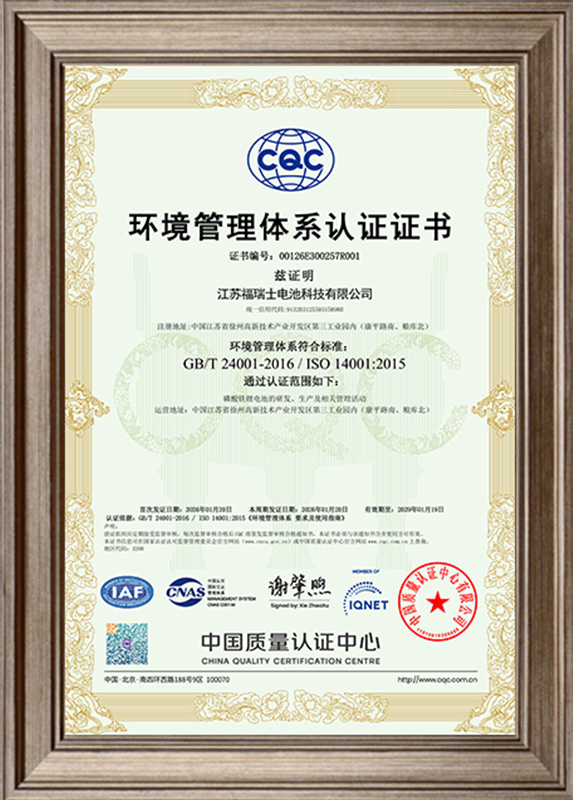
CQC
Related Cases
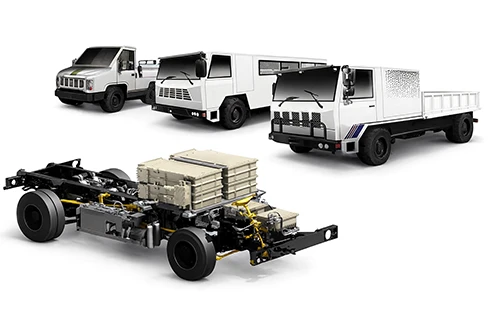
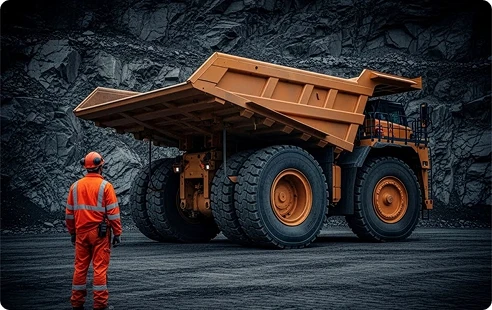
Case Study: Chassis for New Energy Special-Purpose Mine Vehicles
An integrated "Three-Electric" (battery, motor, and electronic control) platform chassis designed for complex mining conditions; it combines safety, efficiency, flexibility, and scalability to fully support the electrification upgrade of mining transport equipment.
Public Utility Sector Collaboration Case Studies
Zouping City, Shandong Province, is upgrading the power systems of its electric bus fleet and equipping them with high-performance Energy Management Systems (EMS).
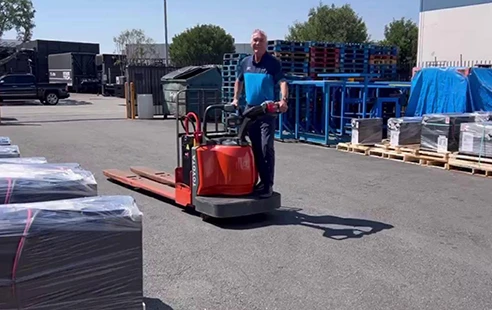
A Toyota forklift was equipped with a FREY 25.6V 220Ah lithium battery, significantly improving both fast-charging capability and operating range.
Coal Mine Safety Scenario Cooperation Cases
Furui Technology has reached a cooperation agreement with Shandong Gold Group's Gold Automobile Company, a Fortune Global 500 company, on the development...
Related FAQ
What is a mining-equipment battery?
A mining-equipment battery supplies traction or backup power to locomotives, haulage vehicles, drills and auxiliary equipment. It normally requires greater resistance to vibration, dust, temperature variation and heavy loads, together with the applicable mine-safety requirements.
How many battery modules does a mining locomotive need?
The number depends on system voltage, required energy and power, installation space and module specifications. Redundancy, service method and weight distribution should also be considered during system design.
Are all electric mining locomotives battery powered?
Mining locomotives may use batteries, overhead lines or other power arrangements; not all are fully battery powered. Battery models offer route flexibility without continuous overhead connection but require charging or battery-swapping infrastructure.
What voltage does a mining-locomotive battery use?
Voltage is determined by the locomotive, traction motor, power demand and original electrical system; there is no universal range. Selection must follow the vehicle documentation and confirm insulation, connectors, charger and communication requirements.
What challenges do battery-powered mining machines face?
Common challenges include safety approval, thermal management, low-temperature performance, dust and vibration protection, charging infrastructure and runtime planning. These must be addressed through coordinated cell, enclosure, BMS, charger and maintenance design.
Can industrial lithium batteries be used in oilfield equipment?
Industrial batteries can be configured for drilling auxiliaries, telemetry or hybrid energy systems, subject to the equipment and hazardous-area requirements. Oilfield and mining rules differ, so certification and system design must be application specific.
What are the advantages of battery mining locomotives?
Benefits include no exhaust emissions during operation, lower noise, route flexibility and fewer routine maintenance items. Energy and cost benefits depend on duty cycle, shifts, charging infrastructure, electricity price and maintenance practices.
What information is needed to select a mining-locomotive battery?
Provide the locomotive model, original battery or system voltage, capacity, peak power, shift and runtime requirements, installation space, weight, temperature, connectors, communication and safety approvals. A battery and charging solution can then be defined.
How should the cost of a battery-electric mining locomotive be evaluated?
Cost depends on vehicle specifications, battery capacity and voltage, approvals, charging or swapping infrastructure and customization. Evaluation should include energy, maintenance, downtime, battery replacement and infrastructure as well as the initial purchase price.